Buzz Off! Michigan Bees & Wasps: When to Worry About Your Home
Are buzzing bees or wasps making you nervous around your Michigan home? Learn how to tell if they're just visiting or becoming a real problem. Discover when it's time to call Great Lakes PestGuard for safe and effective bee and wasp removal.
Buzz Off! When to Worry About Bees and Wasps Around Your Michigan Home
As the weather warms up in Michigan, so does the activity of our buzzing neighbors: bees and wasps. While these flying insects play important roles in our ecosystem – bees are vital pollinators, for instance – their presence too close to home can quickly turn from a minor nuisance into a major concern. So, how do you know when it's time to call in the professionals to help you manage these winged visitors?
At Great Lakes PestGuard, we understand the difference between a harmless honeybee gathering nectar and an aggressive yellow jacket defending its nest. Let's break down when to worry about bees and wasps buzzing around your Michigan property.
Bees vs. Wasps: Know Your Buzz
Before you panic, it’s good to know who you’re dealing with.
- Bees (like honey bees and bumble bees) are generally fuzzy and rounder, with flat, wide legs often covered in pollen. They are usually focused on finding flowers and are less aggressive unless their hive is directly threatened. Michigan is home to over 450 species of native bees, making them a common sight!
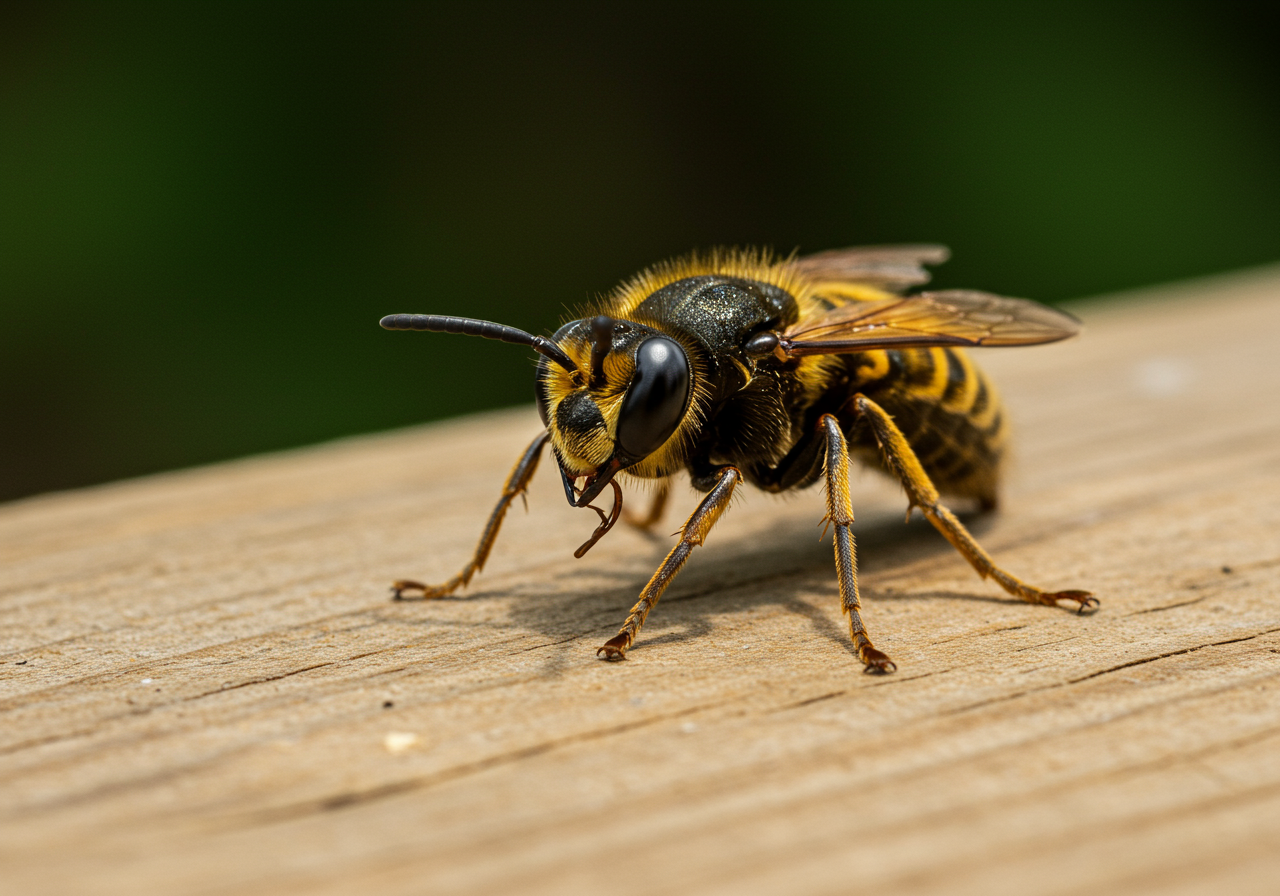
- Wasps (like yellow jackets, hornets, and paper wasps) tend to be sleeker, with smooth, shiny bodies and narrow waists. They are often more aggressive, especially yellow jackets and hornets, and can sting multiple times. Unlike bees, wasps can be predatory, hunting other insects, and are attracted to sweet foods and drinks – making them unwelcome guests at picnics.
When a Buzz Becomes a Bother: Key Warning Signs
It's not just about what kind of insect it is; it's also about where they are and how they're behaving. Here are the red flags that suggest it's time to take action:
- Nests Too Close for Comfort: If you discover a bee or wasp nest near high-traffic areas like your front door, children's play zones, or even a frequently used window, it's a problem. These insects will naturally defend their homes, increasing the risk of painful stings.
- Increased Activity: Seeing a few bees on a flower is normal. Seeing a constant stream of bees or wasps entering and exiting a specific spot on your home (like a crack in the foundation, a soffit, or an attic vent) means there's likely a nest inside or very close by.
- Visible or Growing Nests: Wasps build various types of nests. Paper wasps create umbrella-shaped nests hanging from eaves, while yellow jackets often build papery nests underground or inside voids in your home's structure. Hornets build large, enclosed, football-shaped nests. If you see one of these growing in size, it means the colony is expanding, and so is the potential danger.
- Aggressive Behavior: Are bees or wasps becoming more aggressive, flying at you or your family members without obvious provocation? This is a clear sign their nest might be nearby, or they feel threatened. Wasps, especially yellow jackets in late summer and fall, can become very territorial and temperamental as their food sources dwindle.
- Allergy Concerns: For some, a bee or wasp sting is more than just painful – it can be life-threatening. If anyone in your household has a severe allergy to insect stings, any nest on your property needs immediate professional attention to ensure everyone's safety. Roughly 5% of the population experiences an allergic reaction to insect stings, and for some, it can be severe.
Why DIY Bee and Wasp Removal Isn't the Answer
It might be tempting to tackle a nest yourself, but this is one pest control job best left to the experts. Disturbing a nest without proper gear and knowledge can provoke a swarm, leading to multiple painful stings. What's more, some bees, like honey bees, are crucial to our environment and may require different removal approaches (e.g., relocation rather than extermination).
Your Solution for Buzzing Pests: Great Lakes PestGuard
When you're dealing with bees or wasps, you need a solution that's effective, safe, and tailored to your situation. That's exactly what you get with Great Lakes PestGuard.
We offer specialized Bee Control services designed to safely and efficiently remove bee and wasp nests from your property. Our team understands the nuances of different species and how to manage them responsibly, prioritizing both your family's safety and the well-being of beneficial insects when appropriate.
We believe that protection shouldn’t come with pressure. That's why we offer free inspections to assess your unique situation, clear pricing, and customized treatment plans built around your needs. No shortcuts, no gimmicks – just reliable protection you can trust.
We're Here to Help Michigan Homeowners
Great Lakes PestGuard is proud to serve homeowners across a wide area of Central and West Michigan. If you're experiencing issues with bees or wasps, don't hesitate to reach out! We provide top-notch pest control services in:
- Montcalm County, including cities like Greenville, Stanton, Howard City, Lakeview, Edmore, and more.
- Kent County, serving Grand Rapids, Wyoming, Kentwood, Rockford, Lowell, and many other communities.
- Mecosta County, including Big Rapids, Stanwood, Morley, and Remus.
- Ionia County, with service to Ionia, Portland, Belding, Lake Odessa, and surrounding areas.
- Isabella County, covering Mount Pleasant, Shepherd, Weidman, and Winn.
If you see nests forming or notice increased activity from bees or wasps that makes you uncomfortable, it's time to Buzz Off! and let the professionals handle it.
Contact Great Lakes PestGuard today for a free inspection! Give us a call at +1 (989) 818-8116 or email us at info@greatlakespestguard.com to ensure your Michigan home remains a safe and sting-free zone.
More Blogs
Some other blogs you might be interested in